
We’re Bri and Dana, besties who met at a retreat in 2020 while searching for real connection in the photography world.
When that retreat fell short of what we needed, we decided to build it ourselves. That’s how The Roam was born, a space for photographers to grow, create, and find their people, without the competition or cliques.
We’re here to help you build your business and your community, because you shouldn’t have to choose between the two.
MEET D + B
Film is everywhere right now. In inquiry forms, on photographer websites, in the way people describe themselves to potential clients. And a lot of it is genuinely beautiful work from photographers who have put in the time to understand what they’re doing.
But some of it isn’t. And we think it’s worth talking about.
We both learned photography on film, long before it was having its current moment. We are not saying any of this to gatekeep. We’re saying it because we’ve watched a lot of photographers shortcut the learning curve and then wonder why their clients are disappointed, why their film images don’t match what they promised, or why they’re losing money on every single roll they shoot.
So consider this a loving but honest conversation about what it actually means to offer film.
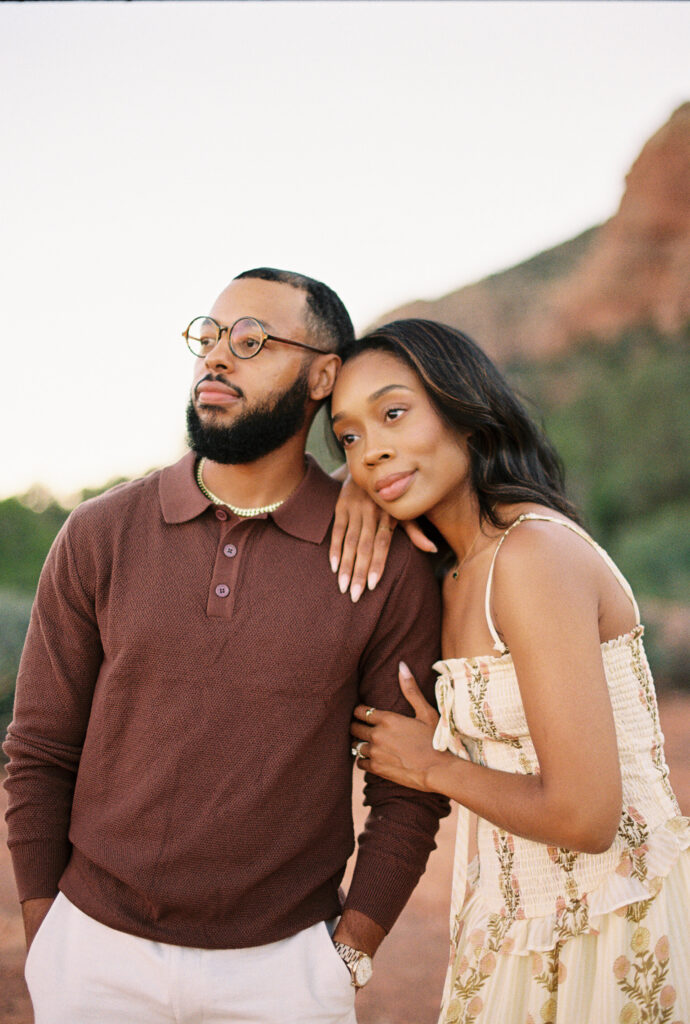
A point and shoot is not the same as shooting hybrid
This is the one that comes up most often and we’re just going to say it plainly.
If you are shooting a wedding on your digital camera and then pulling out a point and shoot for a few frames here and there, that is not hybrid film photography. That is bringing a fun camera to a wedding. Which is great. We love a point and shoot. But it is not the same skill set, it is not the same investment, and it should not be marketed or priced the same way.
Hybrid film photography means you are intentionally shooting a meaningful portion of a wedding on a real film camera with a real understanding of how to expose film in changing light conditions, how to communicate with your lab, and how to deliver a consistent film gallery to your couples. That takes time to learn. It takes a lot of rolls of film and a lot of money spent on developing before you are ready to offer it as a service.
If you are not there yet, that is completely fine. Most photographers aren’t when they first start experimenting with film. But be honest about where you are, with your clients and with yourself.
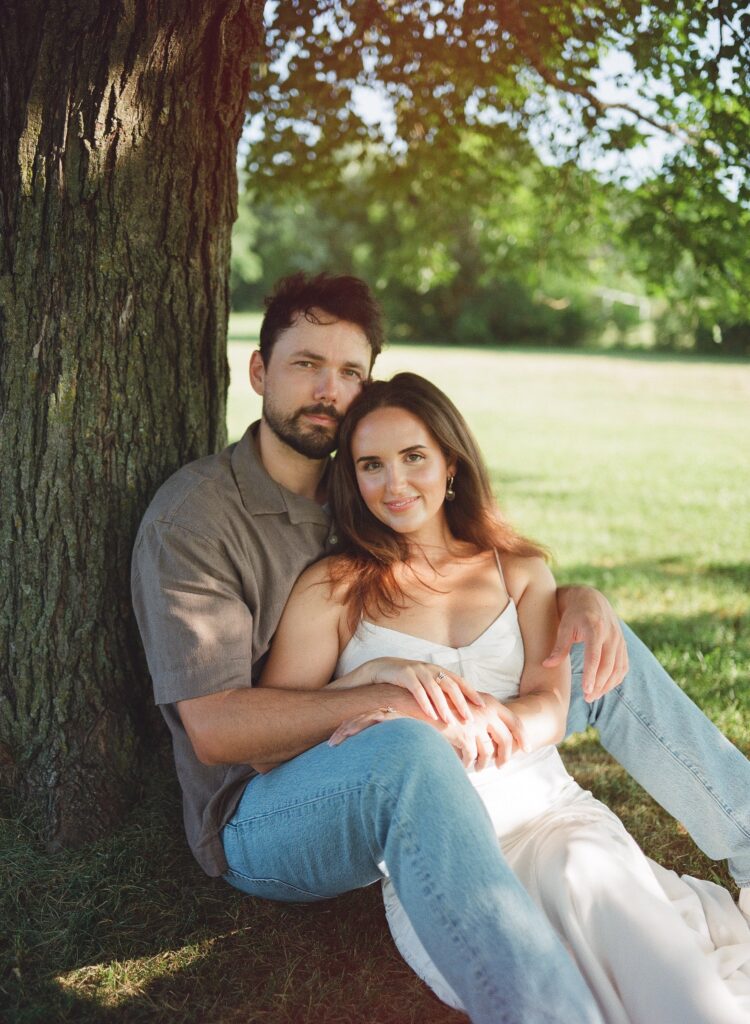
Shooting film without learning it first is a client experience problem
With digital, the feedback loop is instant. You see the image, you adjust, you move on. With film you shoot a whole roll and then you wait. Sometimes days, sometimes two weeks depending on your lab. By the time you find out something went wrong, the wedding is over and there is nothing you can do about it.
That is the thing about film that people who haven’t shot much of it don’t fully reckon with. There is no chimping. There is no safety net. You have to know your camera, know your film stock, and know your light well enough to make the right call before you press the shutter. And that knowledge does not come from reading about it. It comes from shooting a lot of film in a lot of different situations until the decisions become second nature.
Offering film before you have that is not bold. It is a liability. And your couples are the ones who pay the price for it.

You also need to charge what film actually costs
This is the other piece that gets glossed over and it matters just as much.
Film is expensive. A roll of Portra 800 costs $20 on a good day and the price has gone up significantly in the past few years. Development and scanning adds more (anywhere from $30 – $60 a roll). If you are shooting a full wedding on hybrid, you are going through multiple rolls and paying to develop every single one of them regardless of what comes back. That cost has to be built into what you charge.
When photographers undercharge for film, they are not just hurting their own business. They are creating a market expectation that film is a small add-on, a little bonus, something couples can tack on for fifty dollars. It is not. It is a skill that takes time and money to develop, an ongoing material cost, and a real differentiator if you do it well. Price it like it is.

What to actually do before you offer it
Shoot rolls for free first. Shoot them on personal sessions, on your own time, on your friends’ engagement sessions if they’re willing. Shoot through cheap film like Kodak UltraMax or ColorPlus while you’re learning so that when a roll doesn’t come back the way you hoped, it doesn’t cost you much.
Try different film stocks and learn what they actually do. Fujifilm runs cooler and greener. Kodak runs warmer. Kodak Portra 800 is what both of us reach for most often but we got there through trial and error across a lot of different stocks, not because someone told us it was the best option.
Build a relationship with a lab before you need one for a client job. We both use Wilson Camera in Phoenix. We know what our labs do with our specific stocks and we communicate with them when we’re doing something unusual. That relationship is part of the service you’re offering your couples whether they know it or not.
And shoot in every lighting condition you will encounter at a real wedding. Bright afternoon sun, open shade, golden hour, dark reception halls with mixed light. Know what your film stock does in each of those situations before you promise a couple that you can handle theirs.
If you want the full breakdown of stocks, camera types, labs, and how to troubleshoot when things go wrong, we wrote a complete beginner’s guide to 35mm film that goes deep on all of it.

Film done right is worth every bit of the learning curve
Here is the thing. When you actually know what you are doing with film, it changes everything. It slows you down in the best way. When you know you have 36 exposures instead of a memory card that holds thousands of images, you look at a scene differently. You make a decision before you lift the camera. That intentionality follows you back to your digital work too.
The photographers who learn film properly tend to be better photographers across the board. Not because film is magic but because learning it forces you to understand light, exposure, and intention in a way that auto settings and instant feedback never will.
It is worth learning. It is worth doing right. And it is worth charging what it actually costs when you get there.
We talk about film, pricing, and the business side of wedding photography at every retreat we host. If you want to be in those rooms, get on our list.
x D + B
FILED IN: EDUCATION
